
CONTEXT
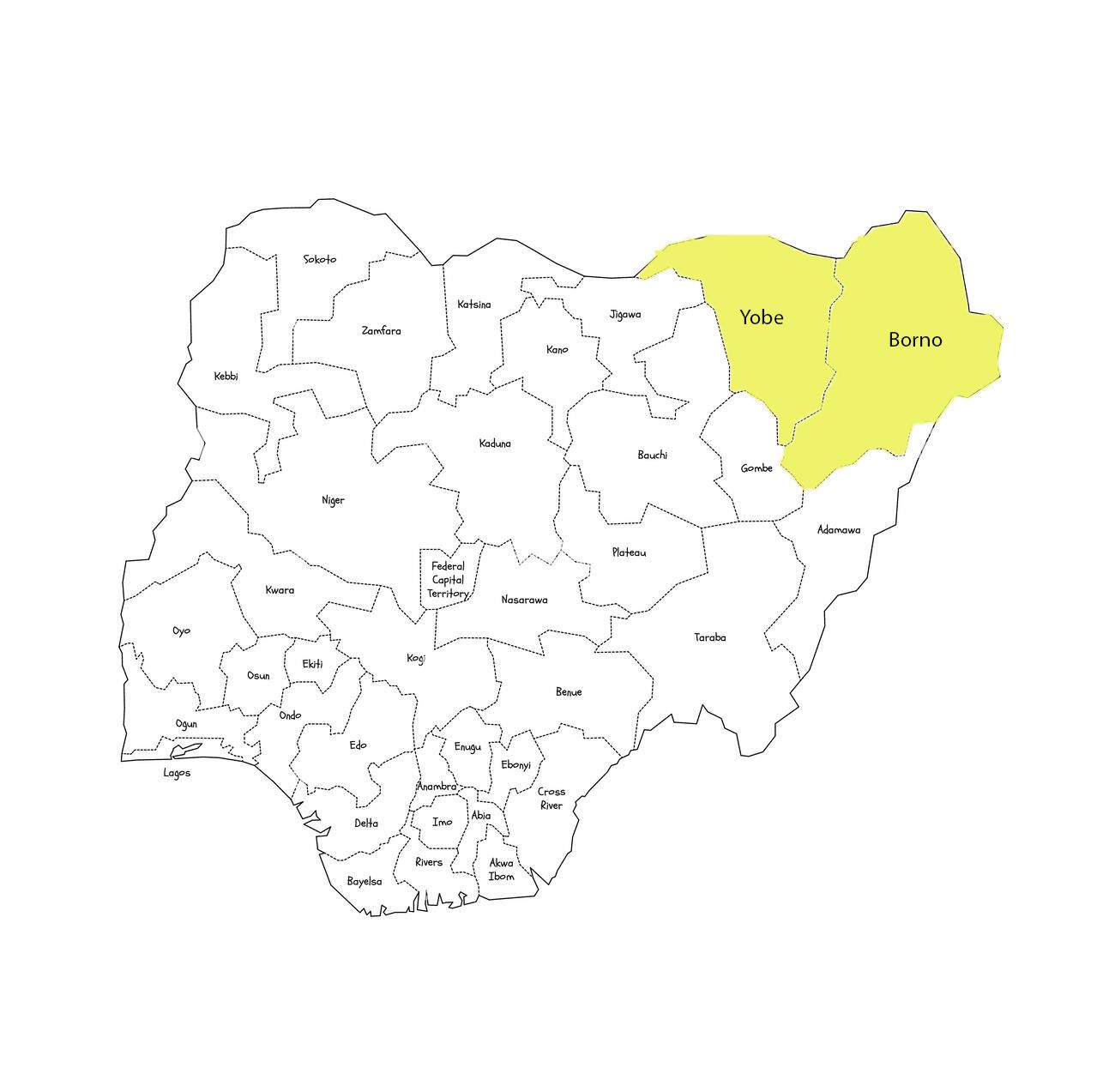
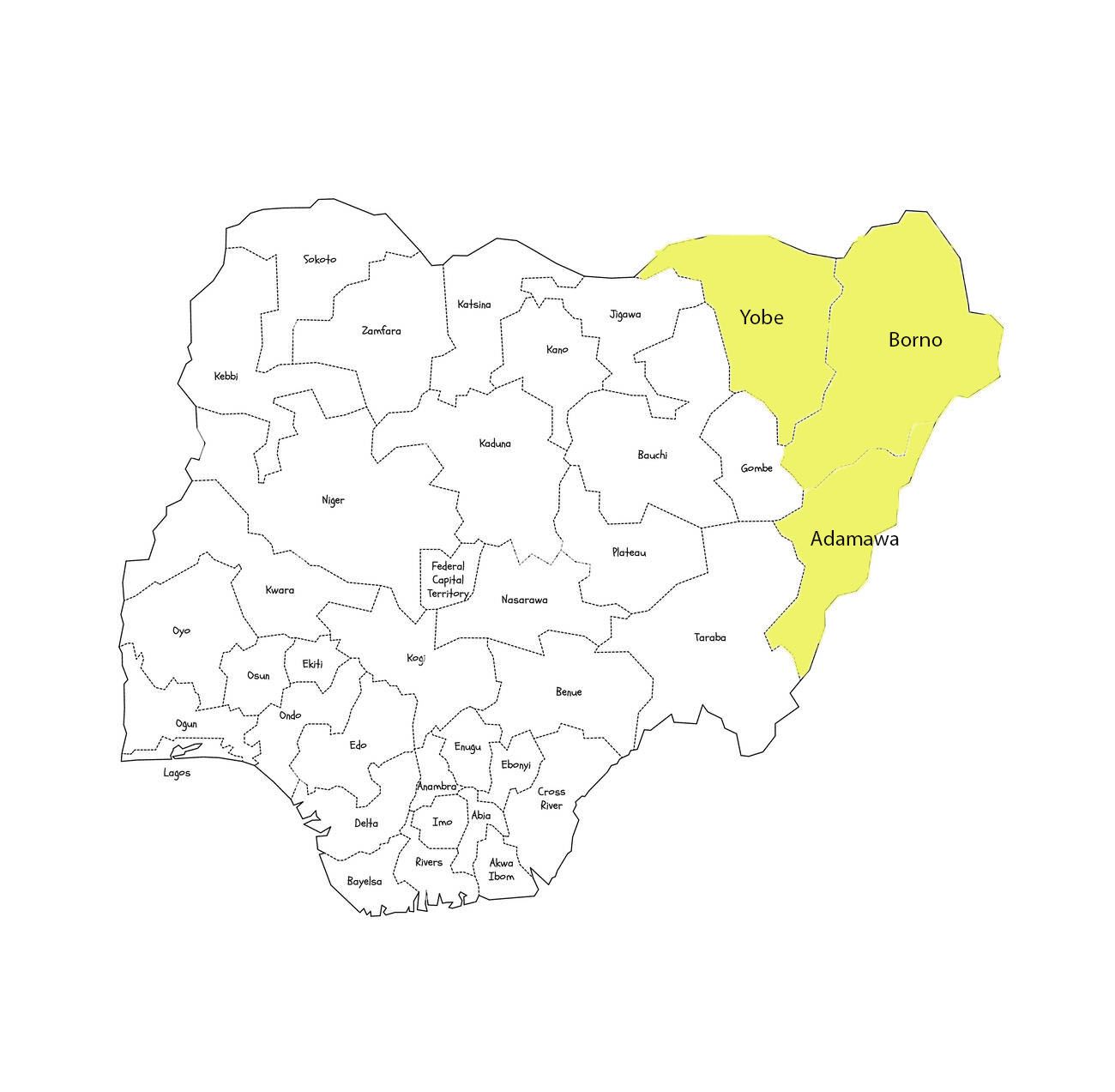
Since 2009, Boko Haram and its splinter groups have caused widespread destruction in Nigeria’s northeast (Borno, Adamawa, Yobe), killing and injuring many and forcing millions to flee their homes.
Lately, the crisis has spread to the northwest and central regions due to armed gangs, community clashes, and conflicts between farmers and herders.
On top of this, rising food shortages, severe flooding, and climate change are putting even more people at risk.
Civilians face a diverse range of protection risks across different regions such as violence and physical harm, abduction and displacement, cross border violence and arms proliferation.
To address the evolution of the conflict in Nigeria and ongoing civilian protection challenges, CIVIC is mobilizing champions within the government, military, and civil society to advance policies and practices that minimize civilian harm.



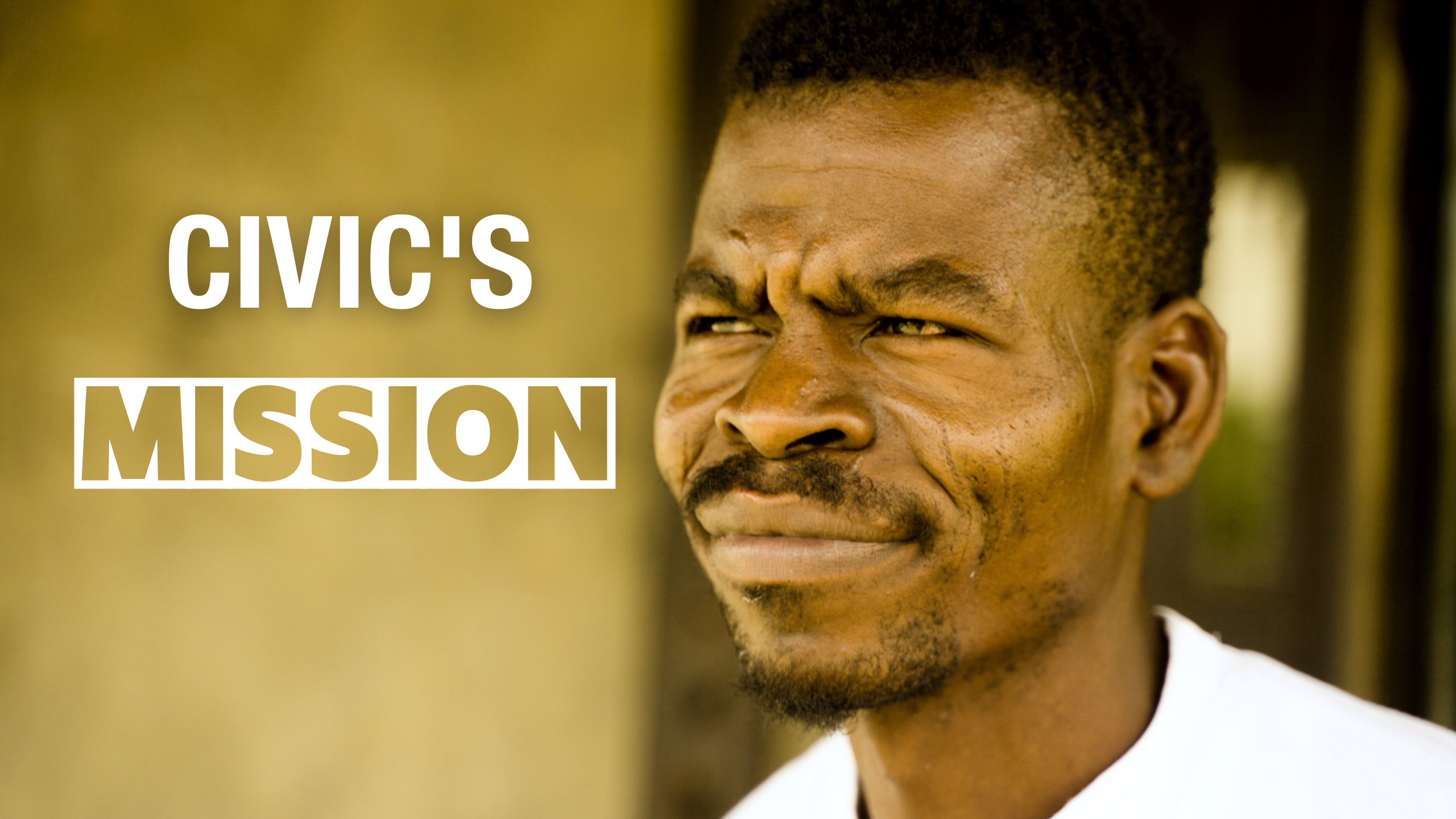
Since 2016, CIVIC has worked to protect civilians in Nigeria.
Our goal is to make civilians safer, amplify their voices, and give them tools to protect themselves.
Our work clusters around three main axes of intervention:
1. Helping
community
stay safe

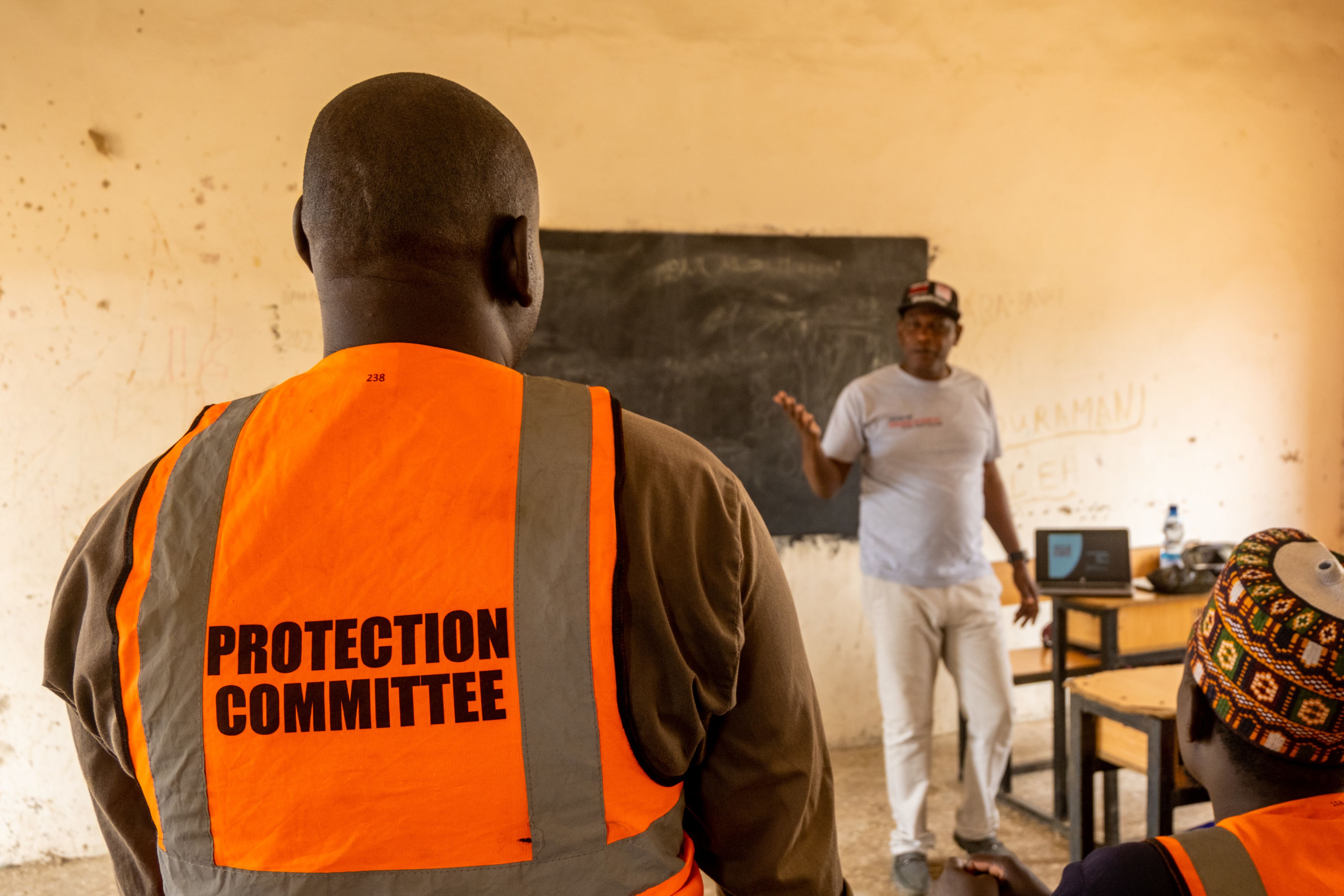
2. Influencing
government policy
to reduce harm

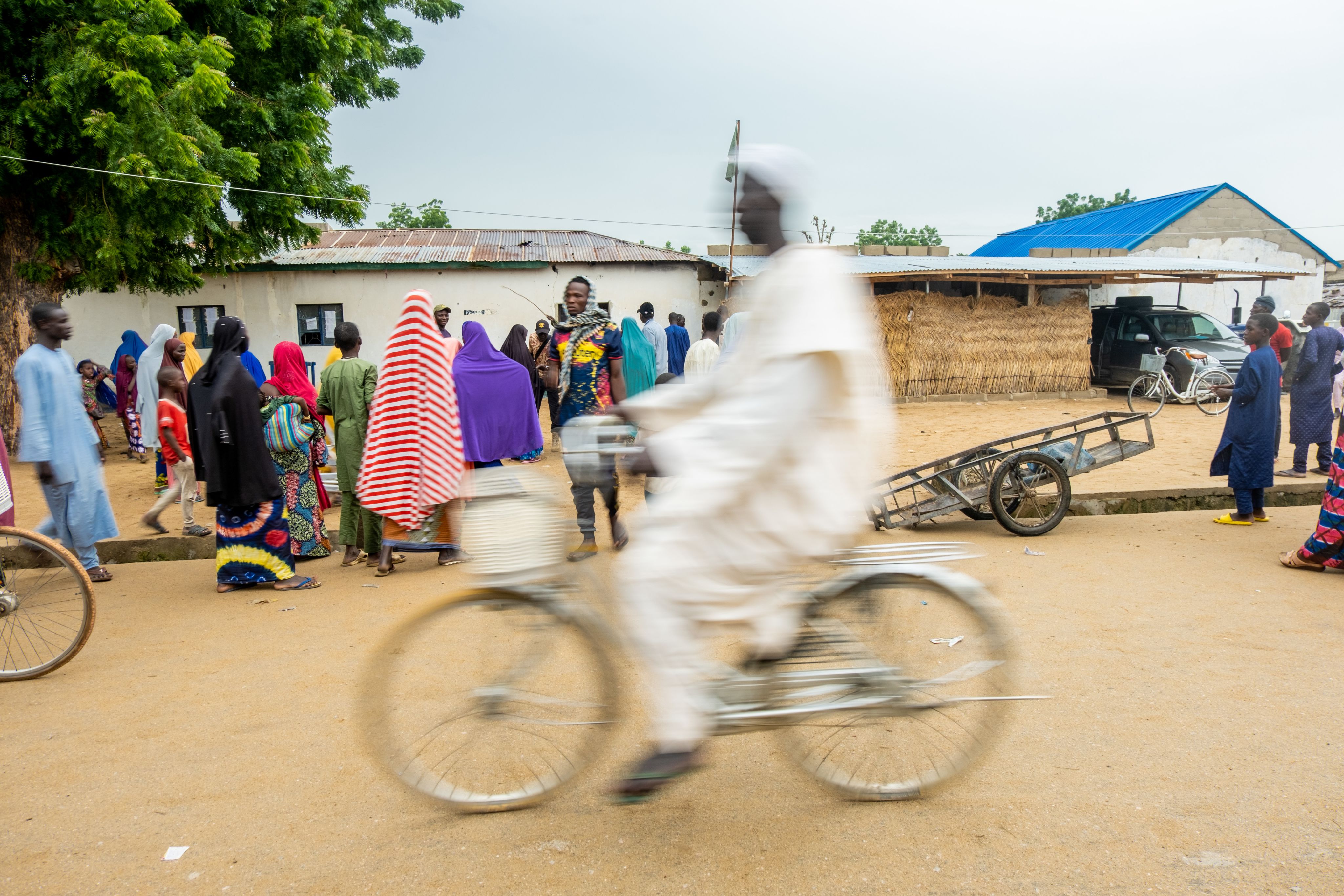
3. Building
trust between civilians
& security forces

We advance civilians protection through:
RESEARCH
Understanding conflict, civilian risks, and community needs to guide our actions.

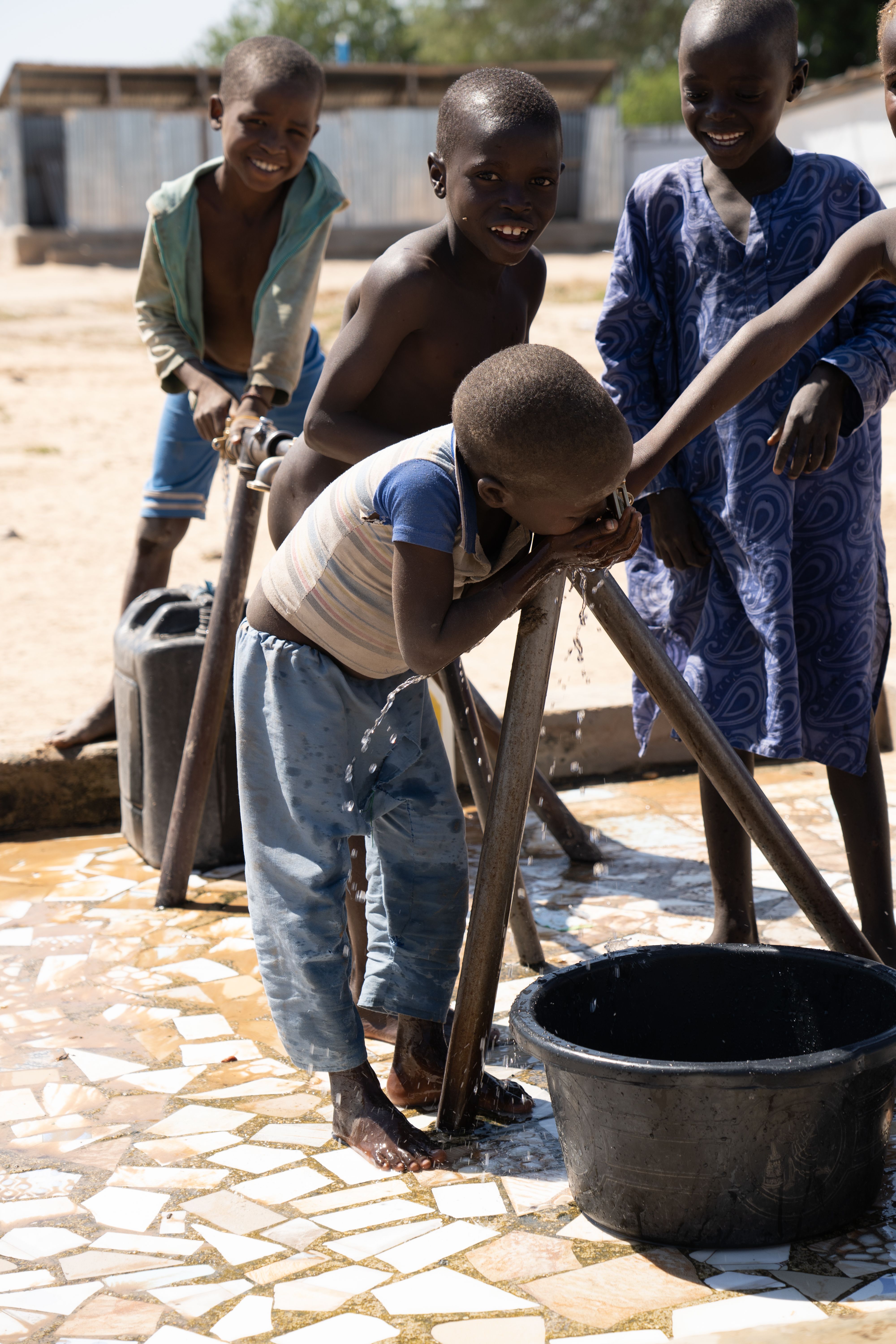
ADVOCACY
Engaging communities and government at all levels to make sure civilians’ concerns are heard and addressed.

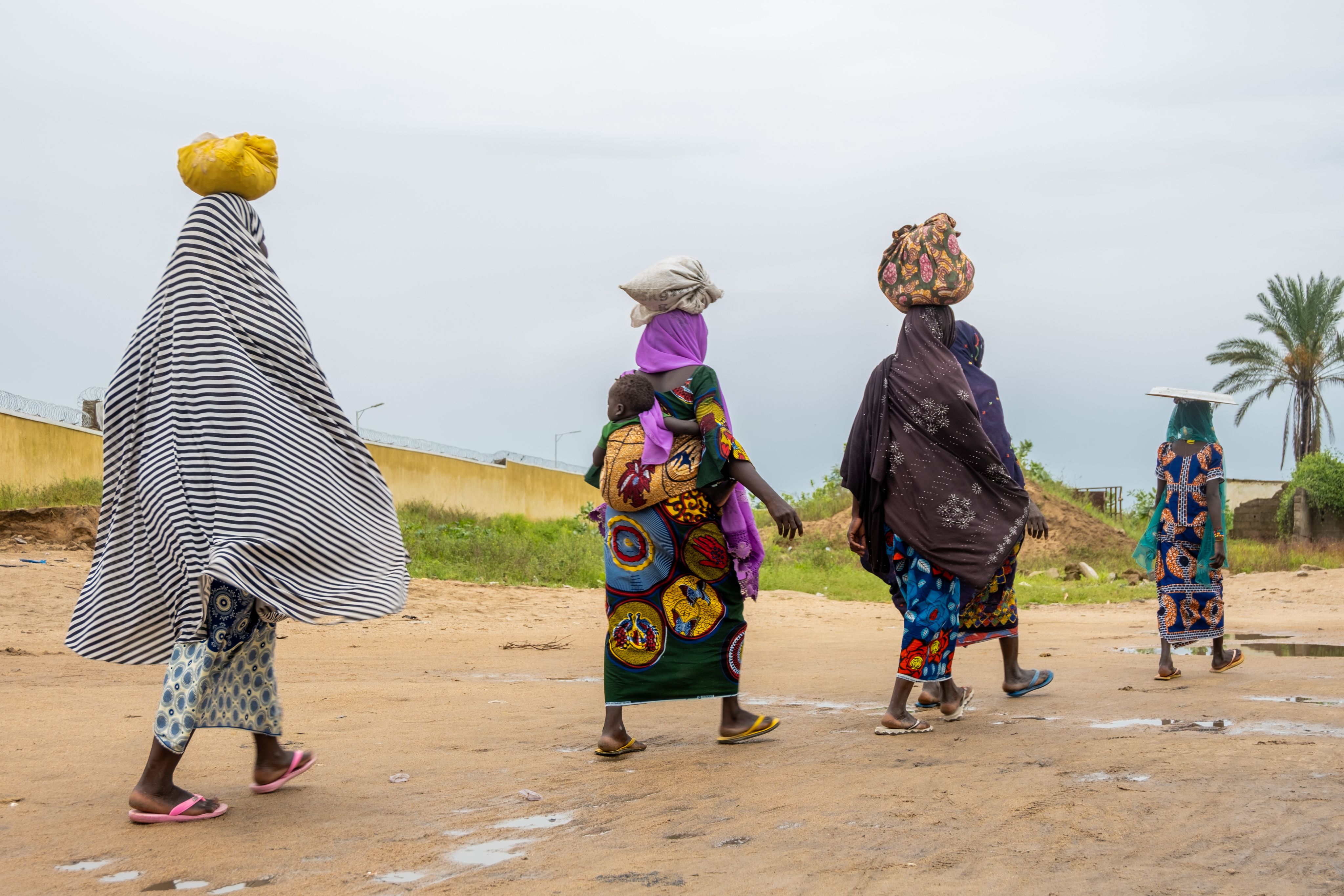
COMMUNITY BASED PROTECTION
Supporting communities to plan and carry out practical protection measures.
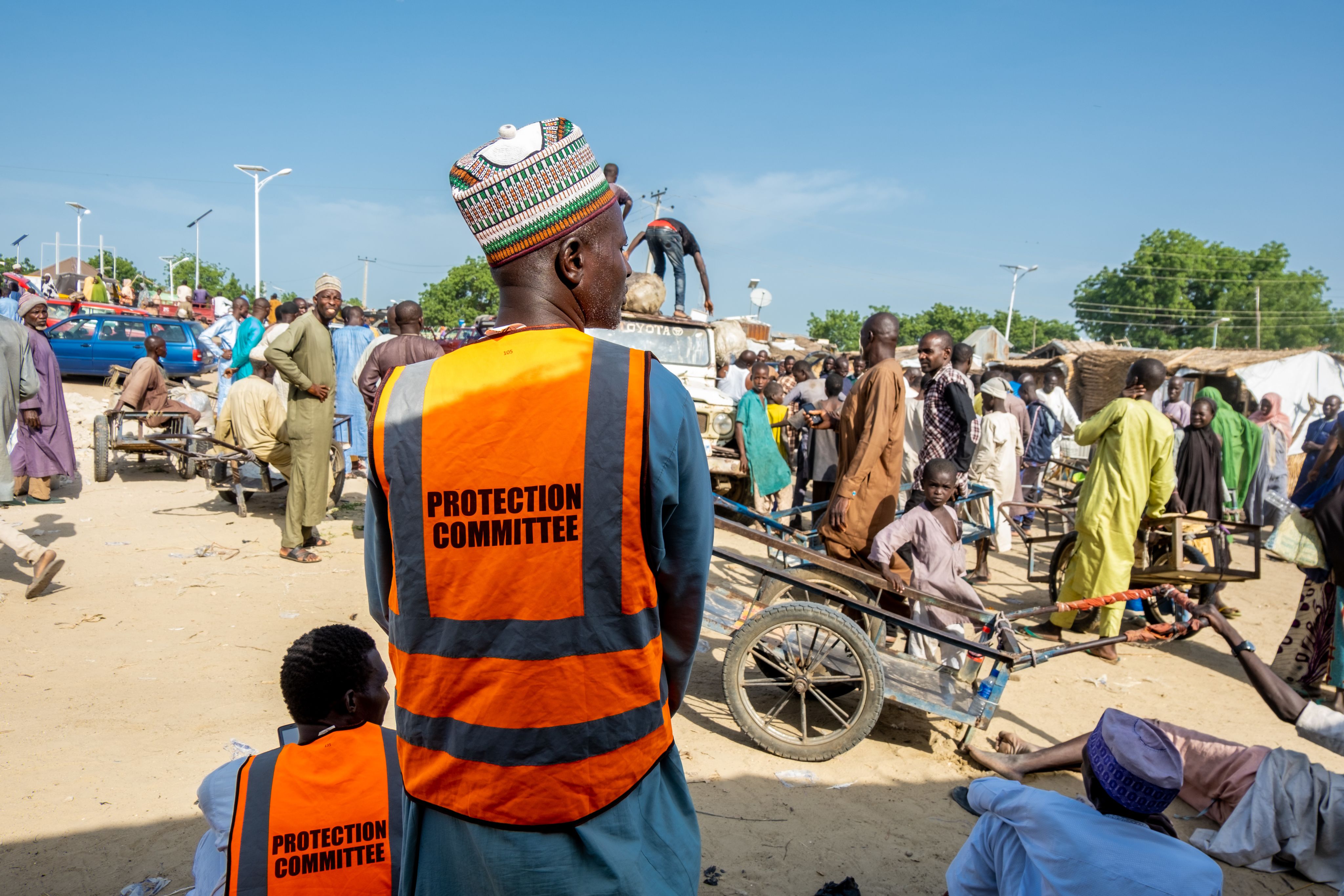
CSO ENGAGEMENT
FF
Working with local civil society groups to ensure programs are inclusive and locally owned.

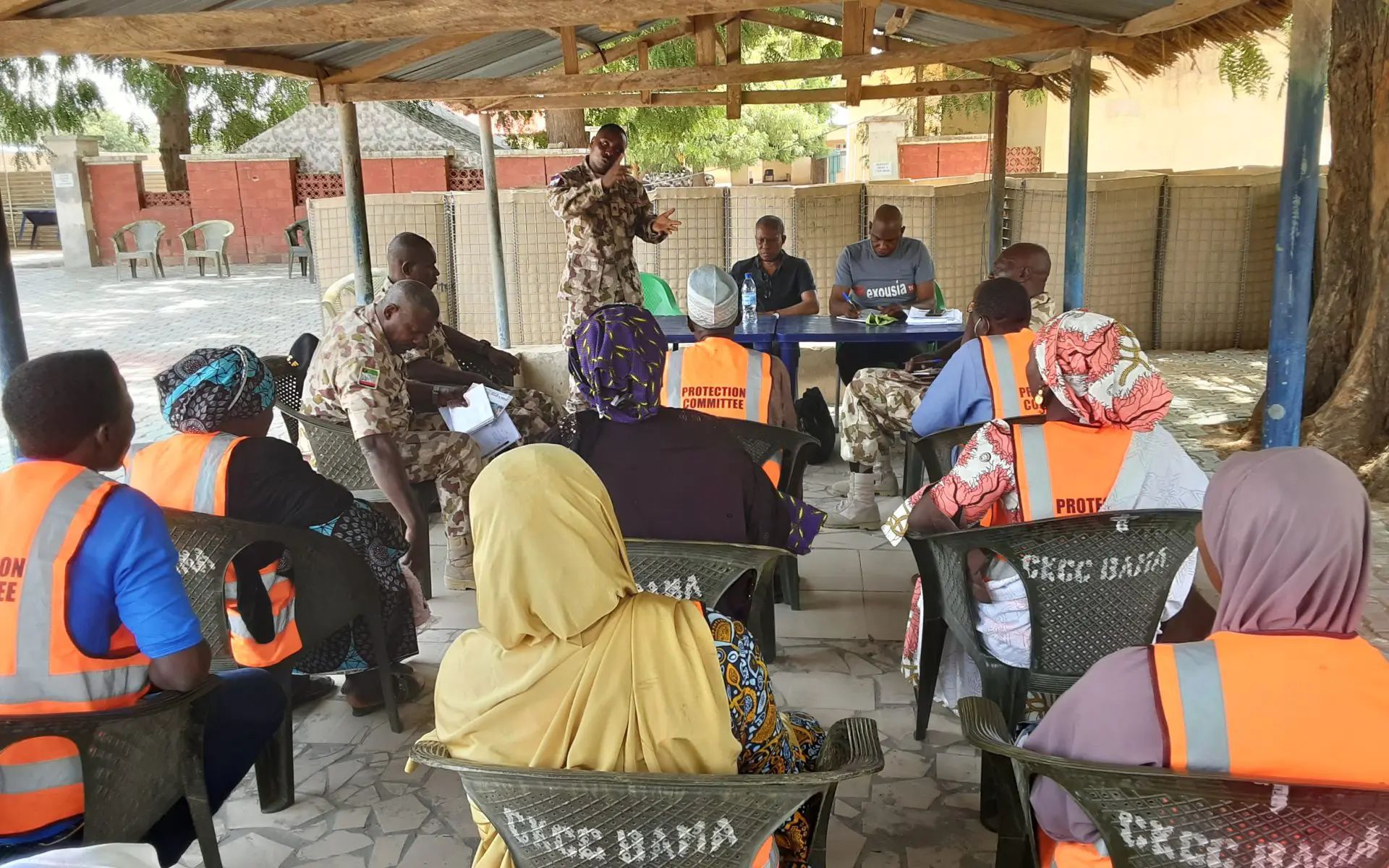
TRAINING
Teaching security forces practical ways to protect civilians as well as institutionalizing these through MoUs targeting training institutions and deployment centres like the Theatre Training School in Maiduguri, Army War College in Abuja, Military Pre-deployment Centre in Kaduna, and the Armed Forces and Command Staff College in Jaji.



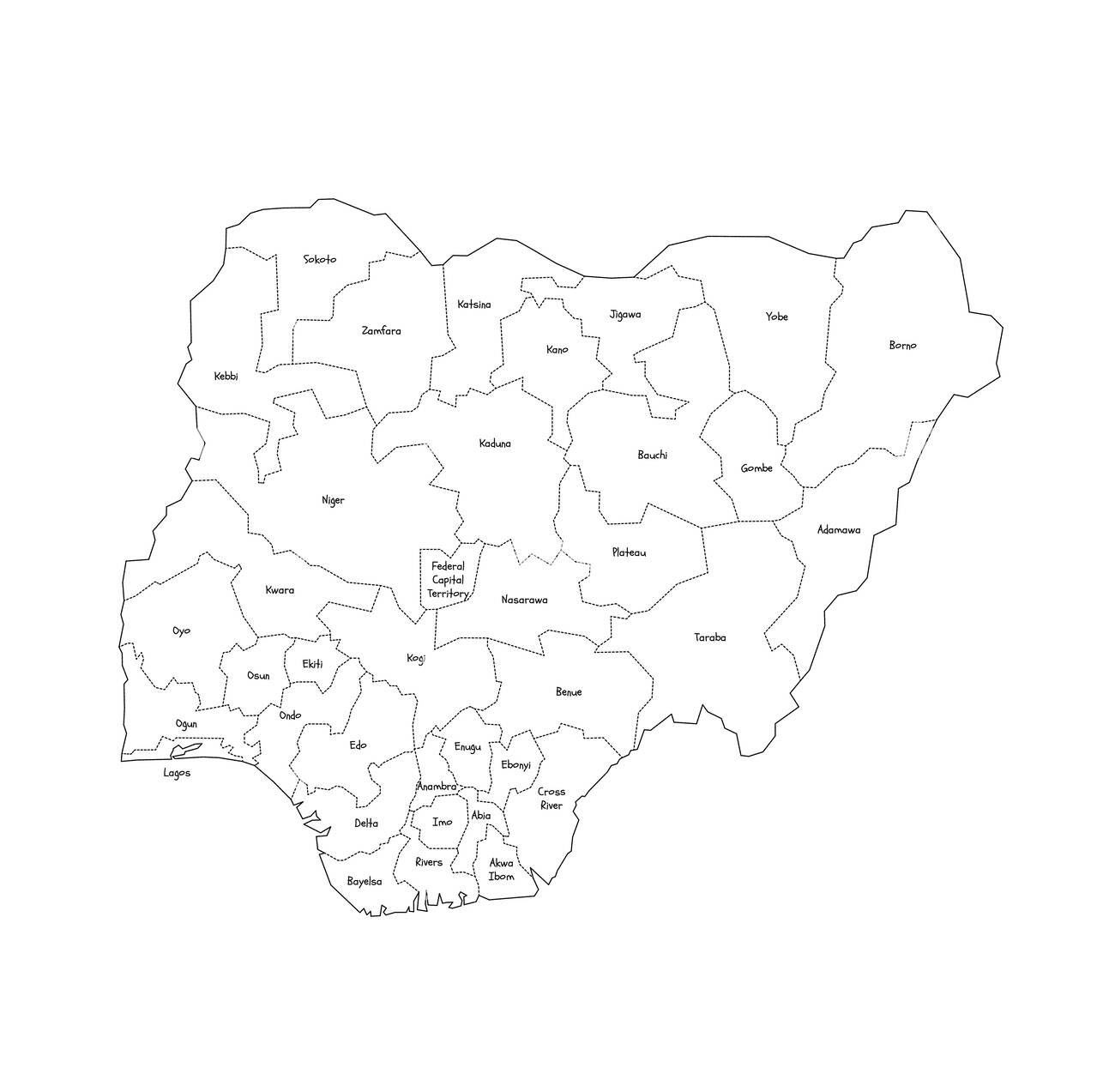

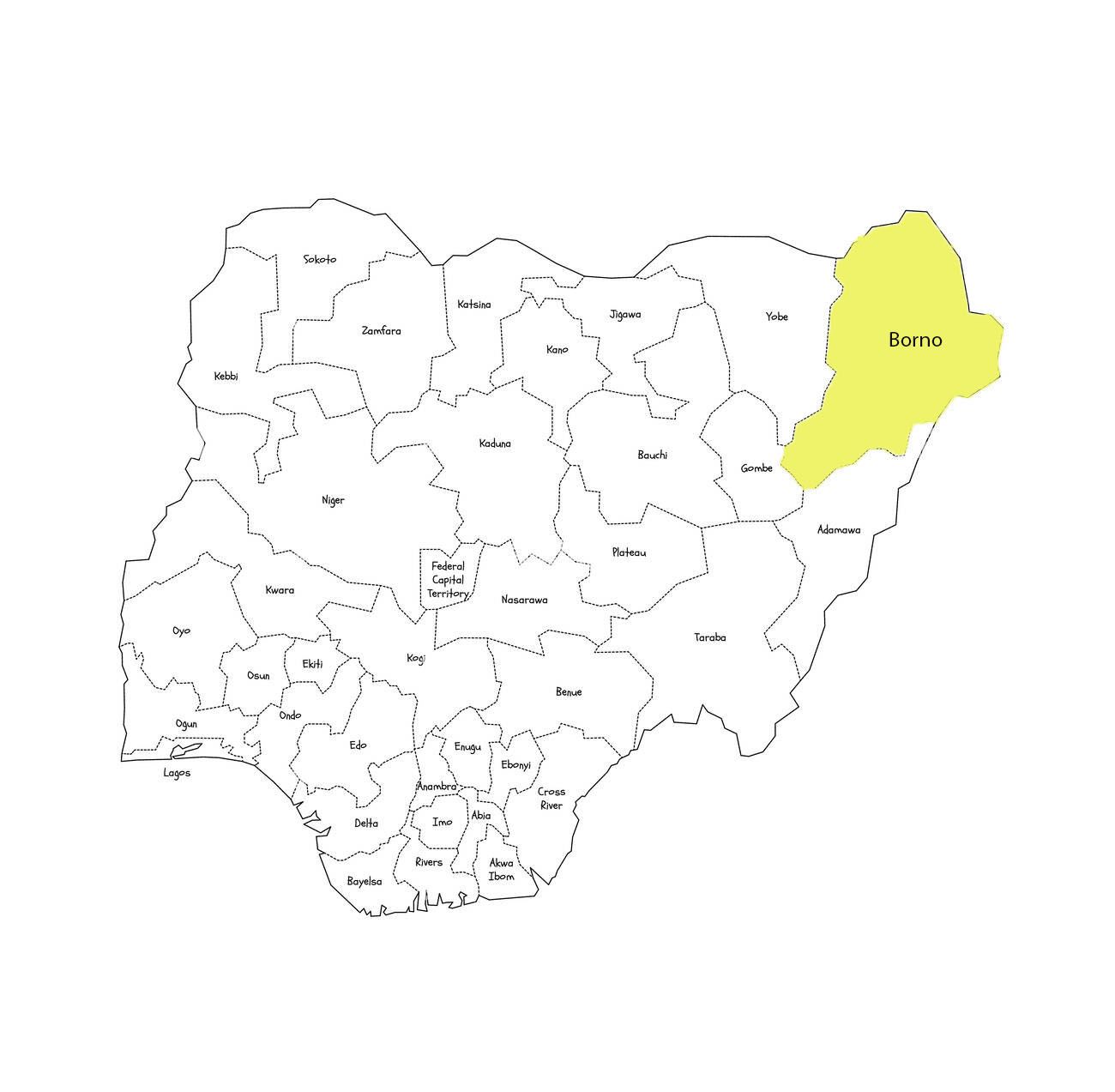


Borno: Monguno, Konduga
Yobe: Gashua, Geidam, and Potiskum
Adamawa: Michika, Madagali, Mubi-North


CIVIC has delivered concrete actions to protect civilians:
- Training and Capacity Building: Trained over 7500 security personnel, cutting across military, police, civil defense, and community security groups. Trained 400 CPC/CPGs in Early Warning and Early Response, Community Safety Mapping, Risk Identification and First Aid, and Mine Risk Education.
- Material Support: Provided 450 CPC/CPG members with radios, flashlights, and first-aid kits to operationalize self-protection.
- Radio Programs: Produced 50 episodes of Zaman Lafiya (Peaceful Co-existence) to let civilians raise concerns.
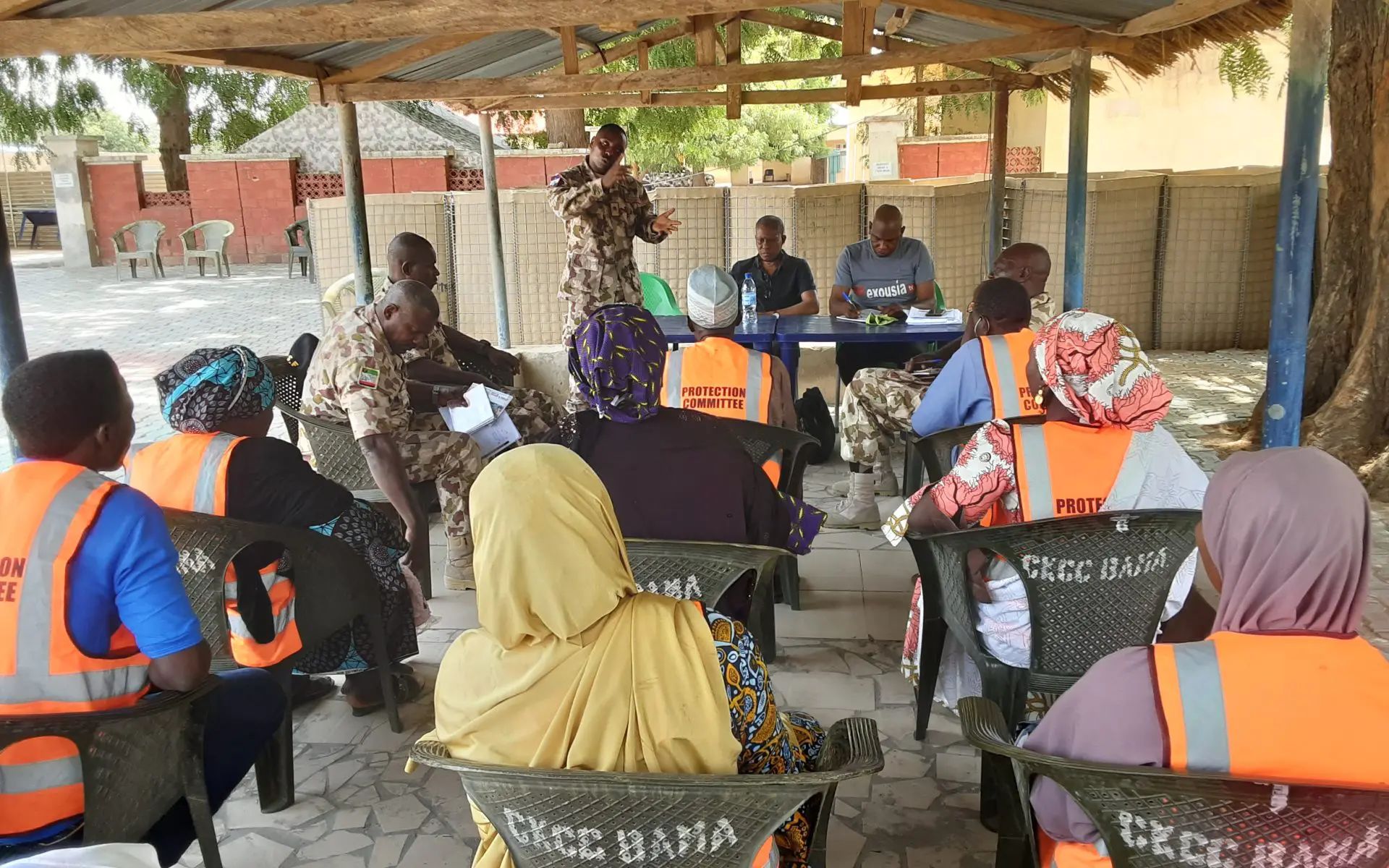
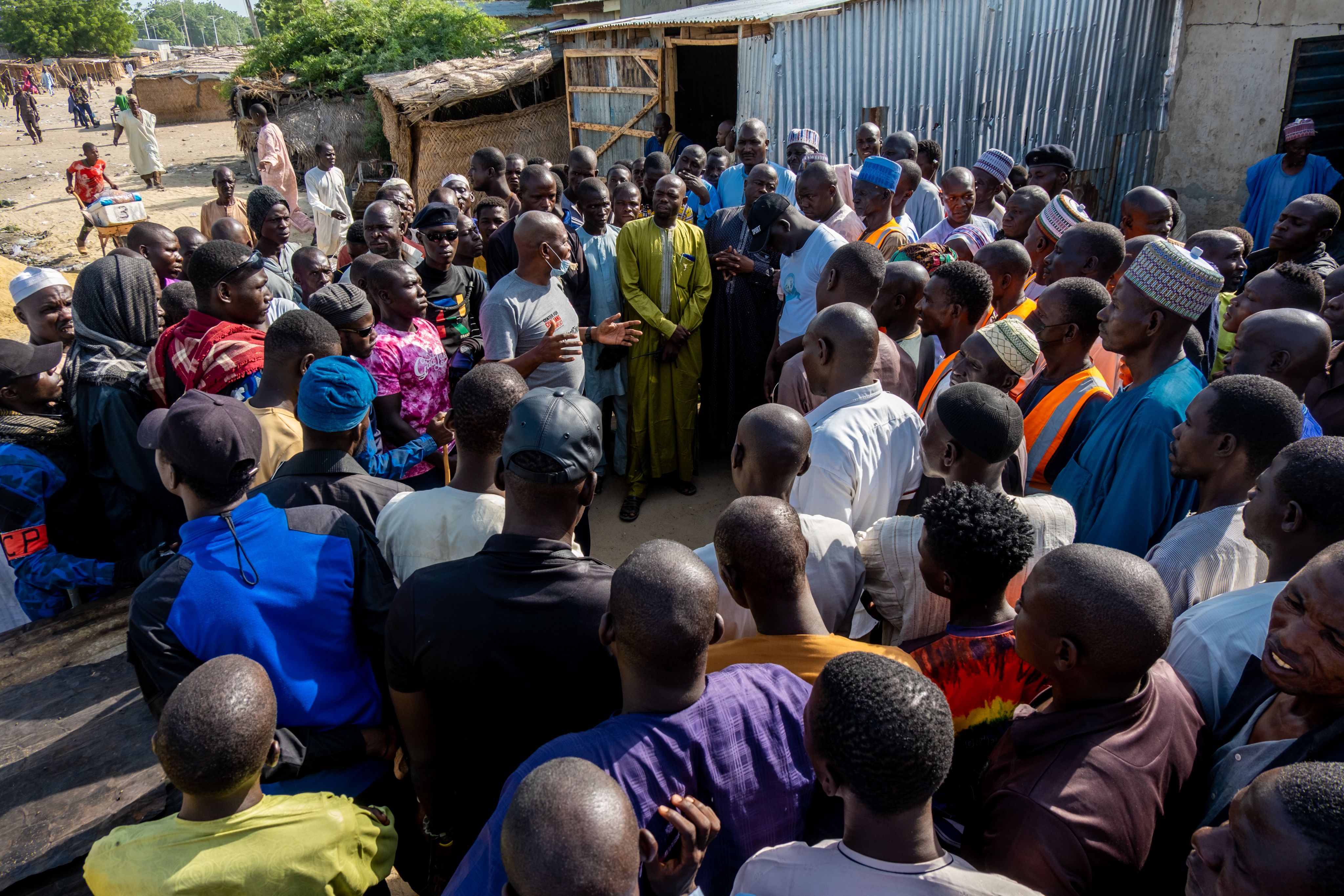
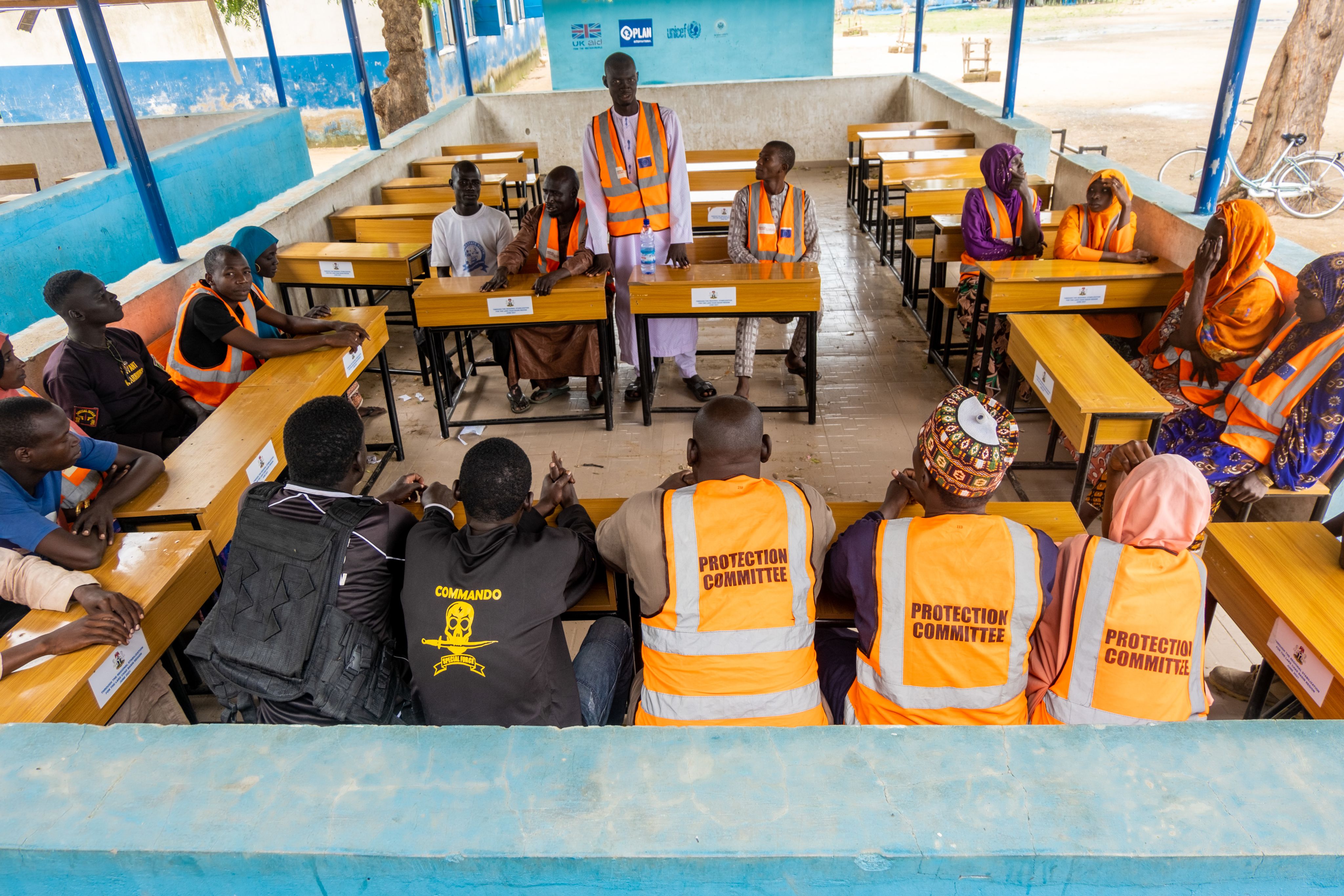
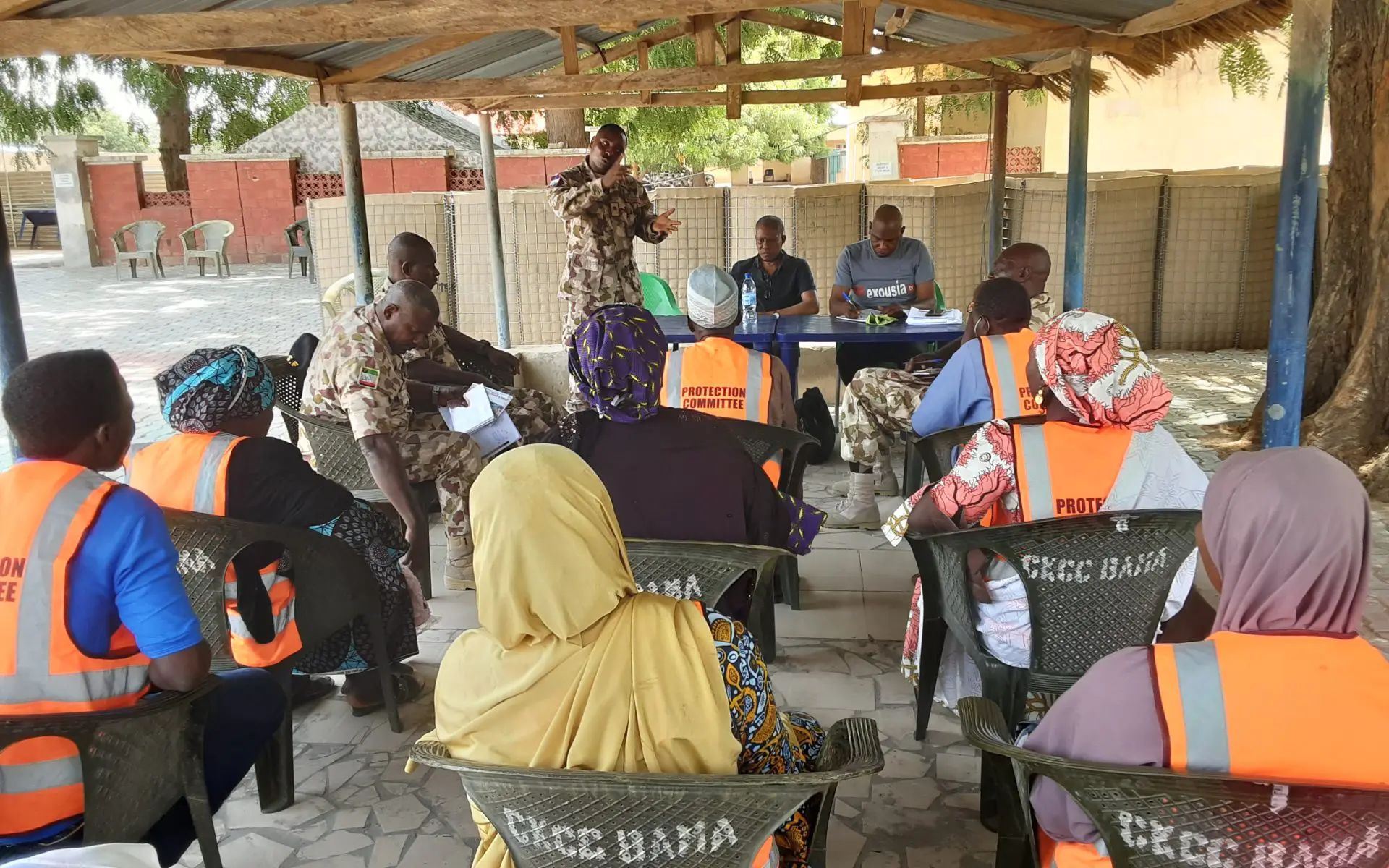
- Dialogue Platforms: Organized more than 20 town hall meetings and established 24 dialogue forums for communities and security forces to discuss openly about protection concerns and jointly develop mitigation strategies.
- Community Protection Structures: Established 15 (with 750 members) Community Protection Committees (CPCs) and Community Protection Groups (CPGs) to identify risks, report threats, and guide local protection efforts.
- Technological Innovation: CIVIC developed a Serious Gaming electronic application, called Warrior and Protector or TEELA, which it has deployed to over 5000 trained security forces personnel to complement in-class training. The objective is to help them to develop empathy and hone their civilian engagement skills by assuming the avatar of a female civilian and her children trying to navigate safety while caught in conflict.
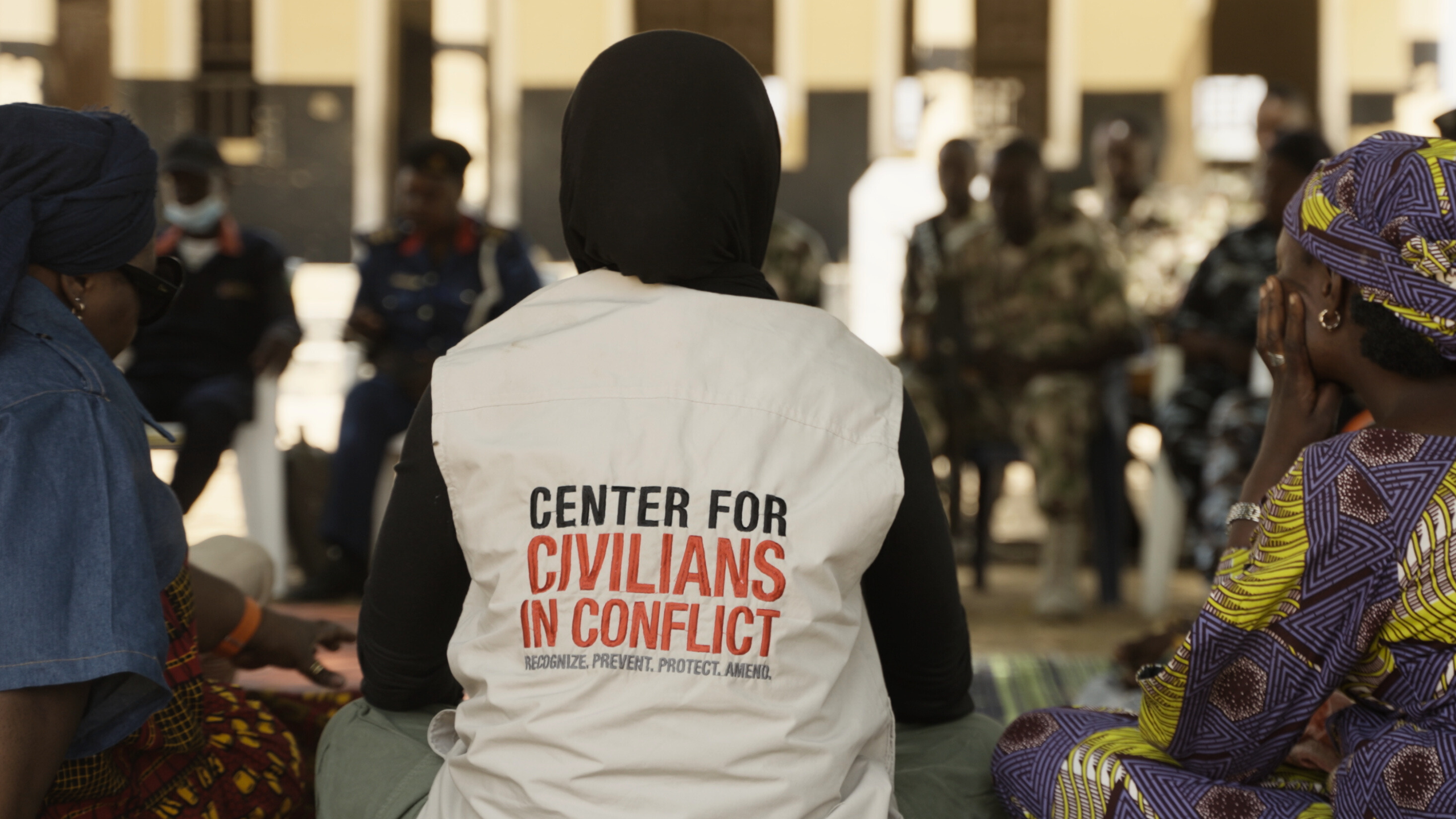
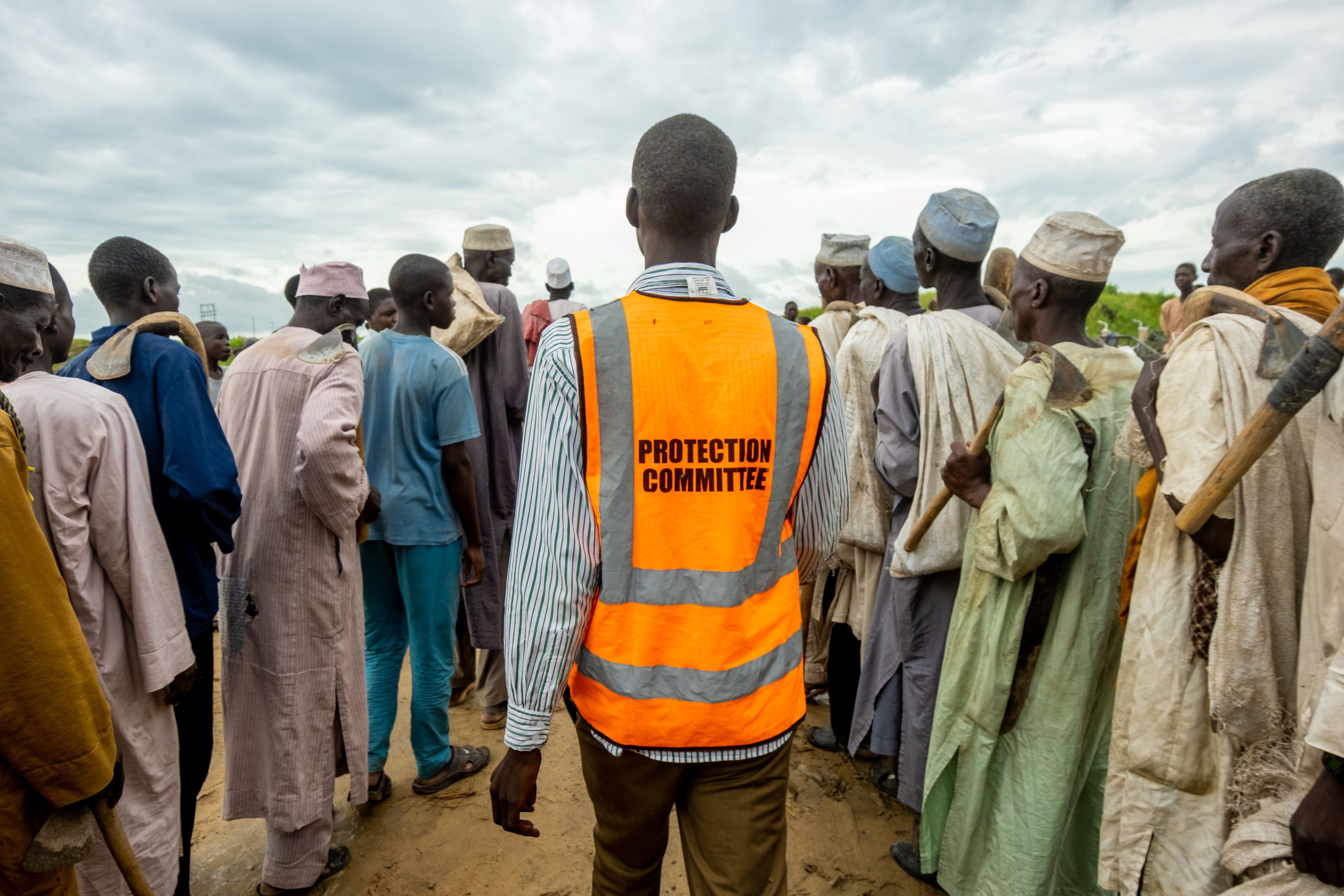
Civil-Military Dialogue in Konduga LGA,
Northeast Nigeria 👇

CIVIC’s work has led to real changes:
Better Civil-Military Relations: Security forces are more open to community feedback and coordinate better with civilians.
Community-Led Flood Response:
CPC members helped protect 370 households from flash floods and provided emergency support for displaced families.
Education for Vulnerable Children:
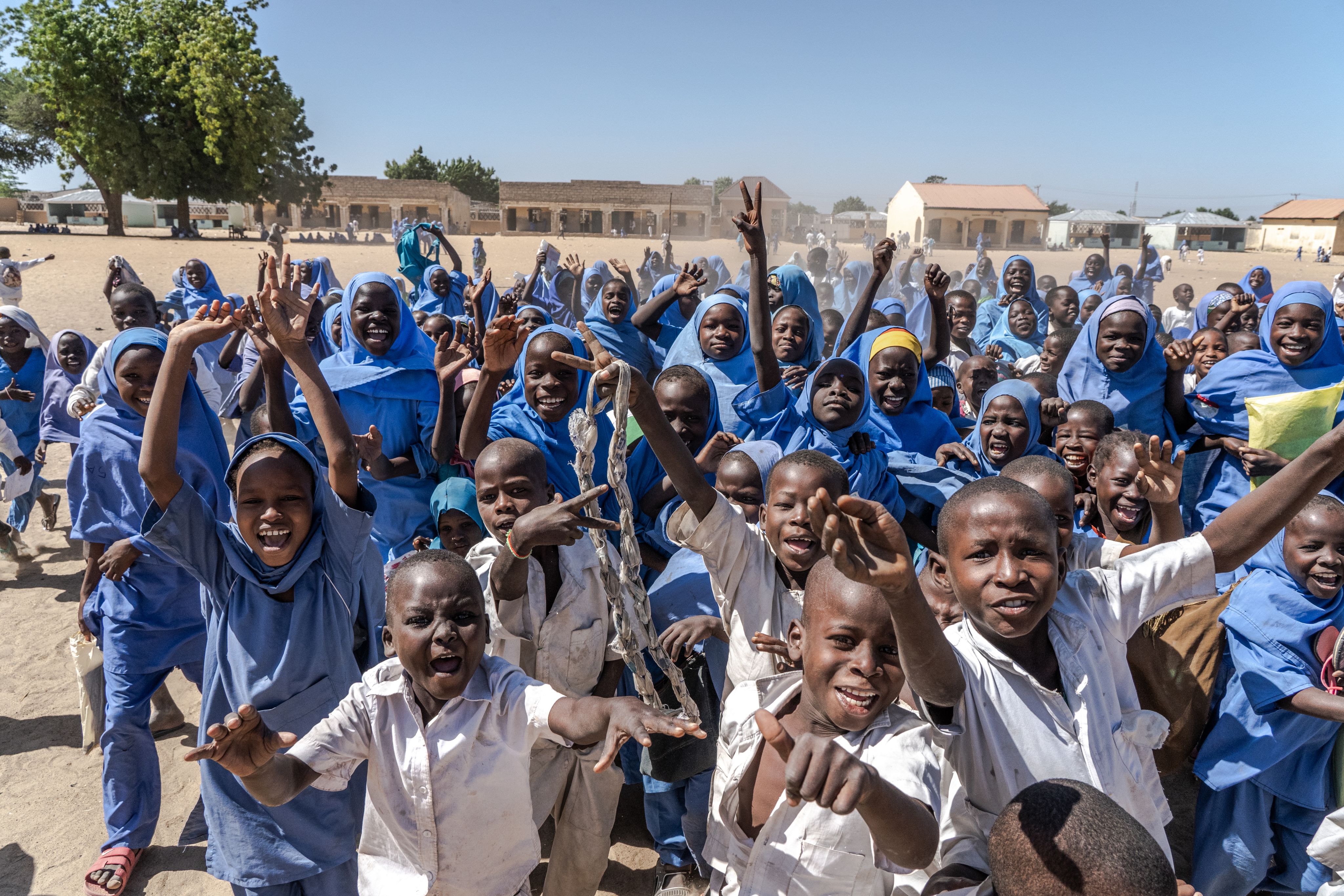
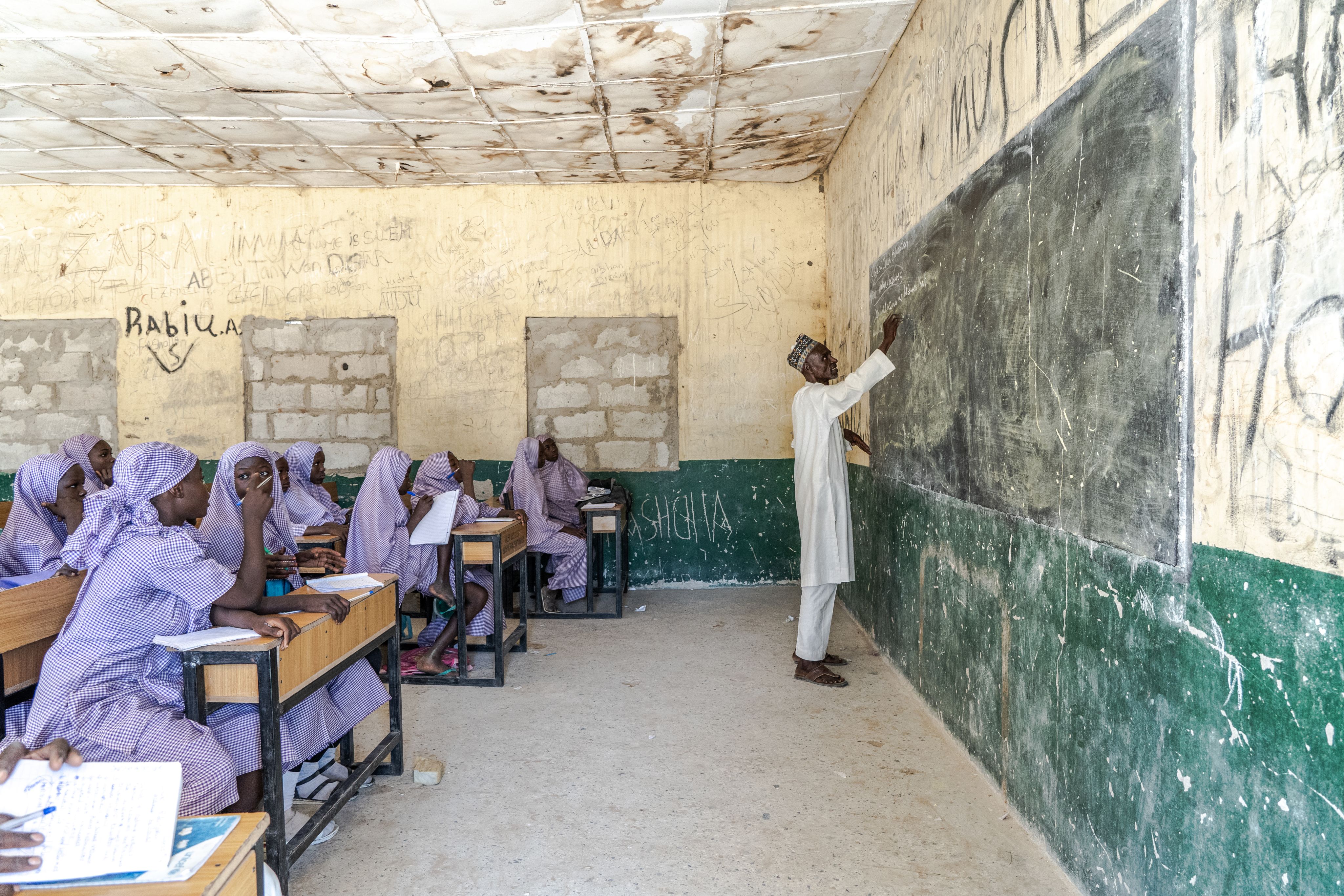
In Njimtilo, CPC-led efforts enrolled 190 children of returning former fighters families in school, helping the community heal and rebuild.
Stronger Community Resilience:
Communities now have tools, knowledge, and structures to manage risks and advocate for their safety.

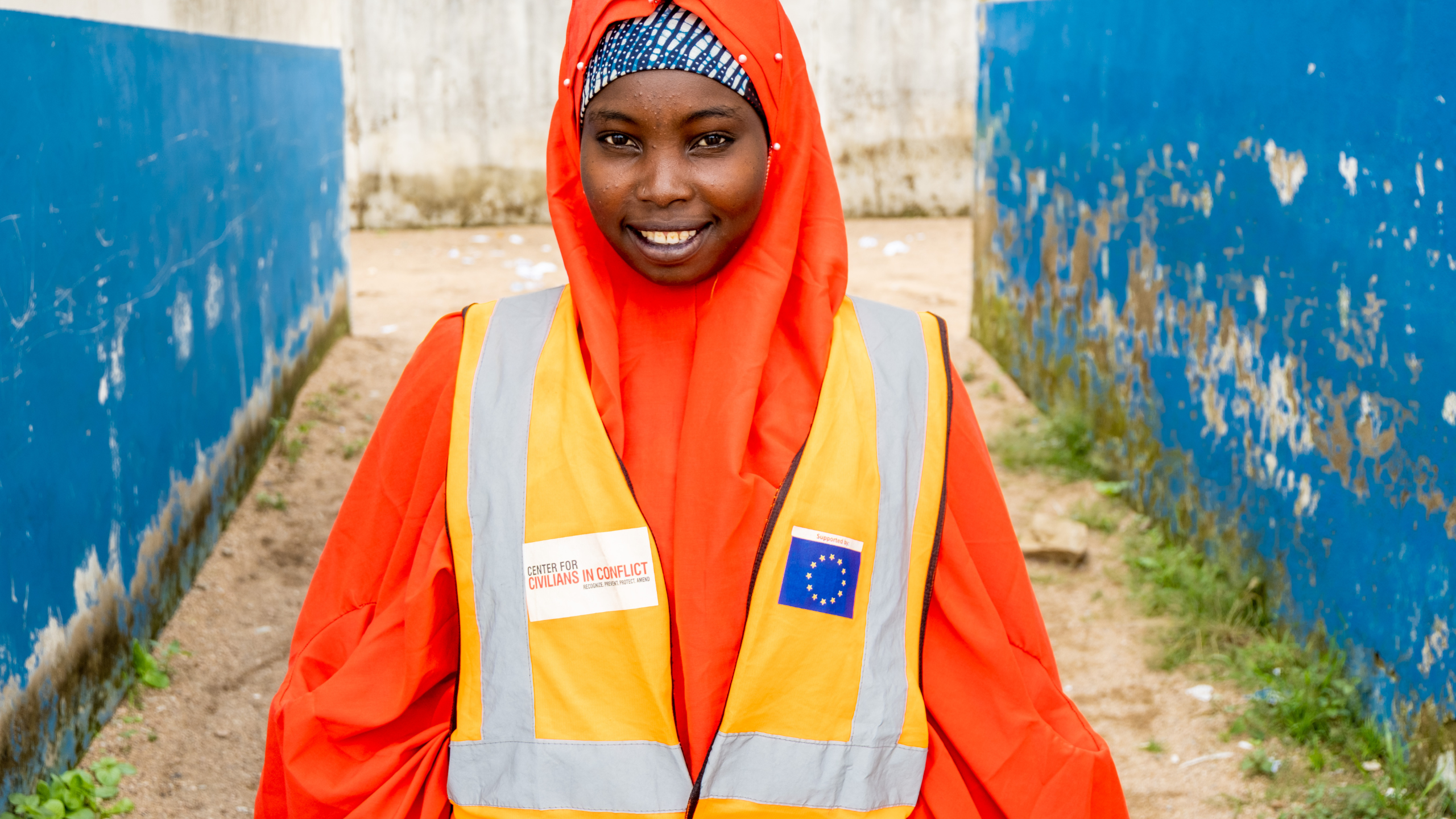

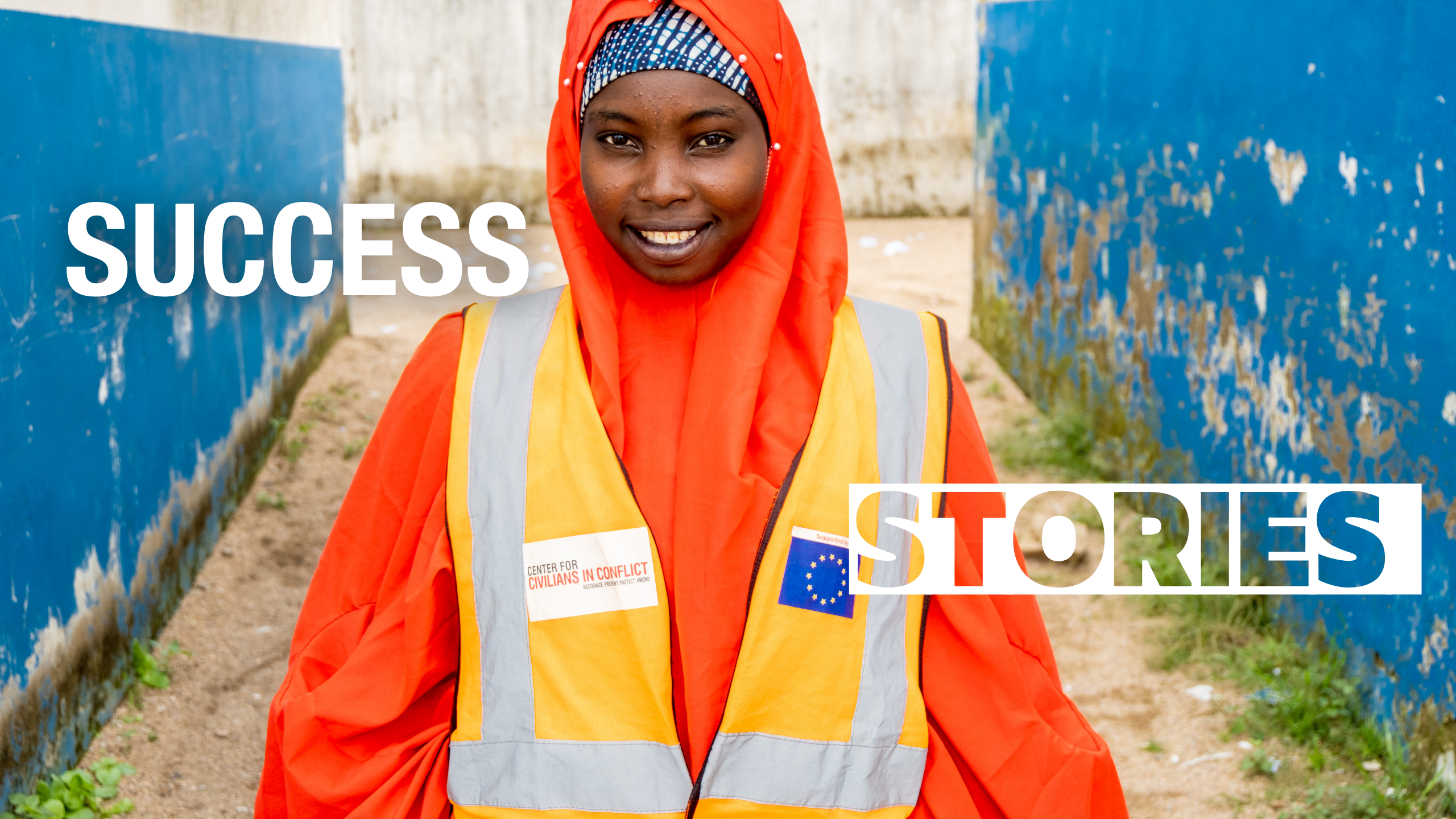
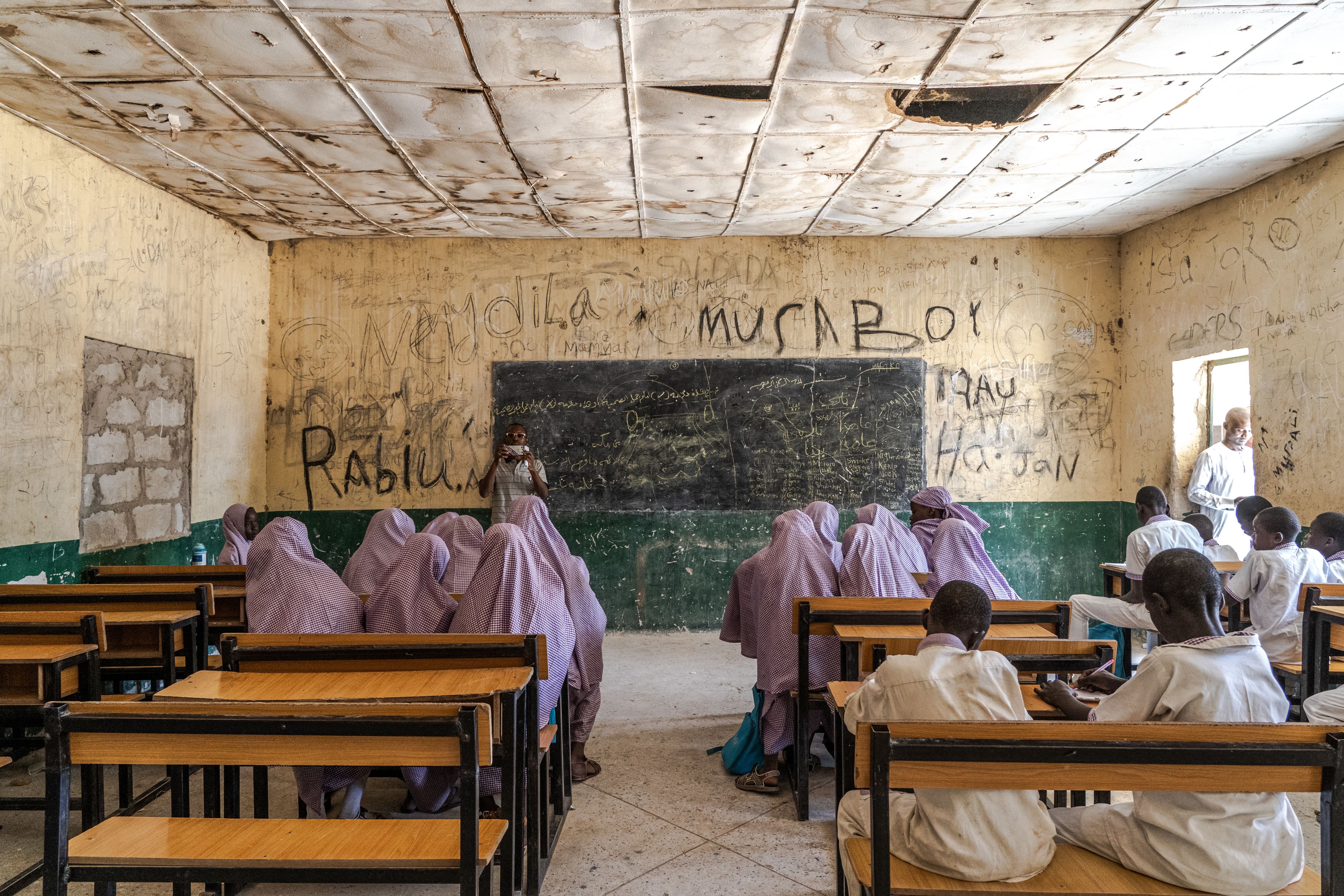
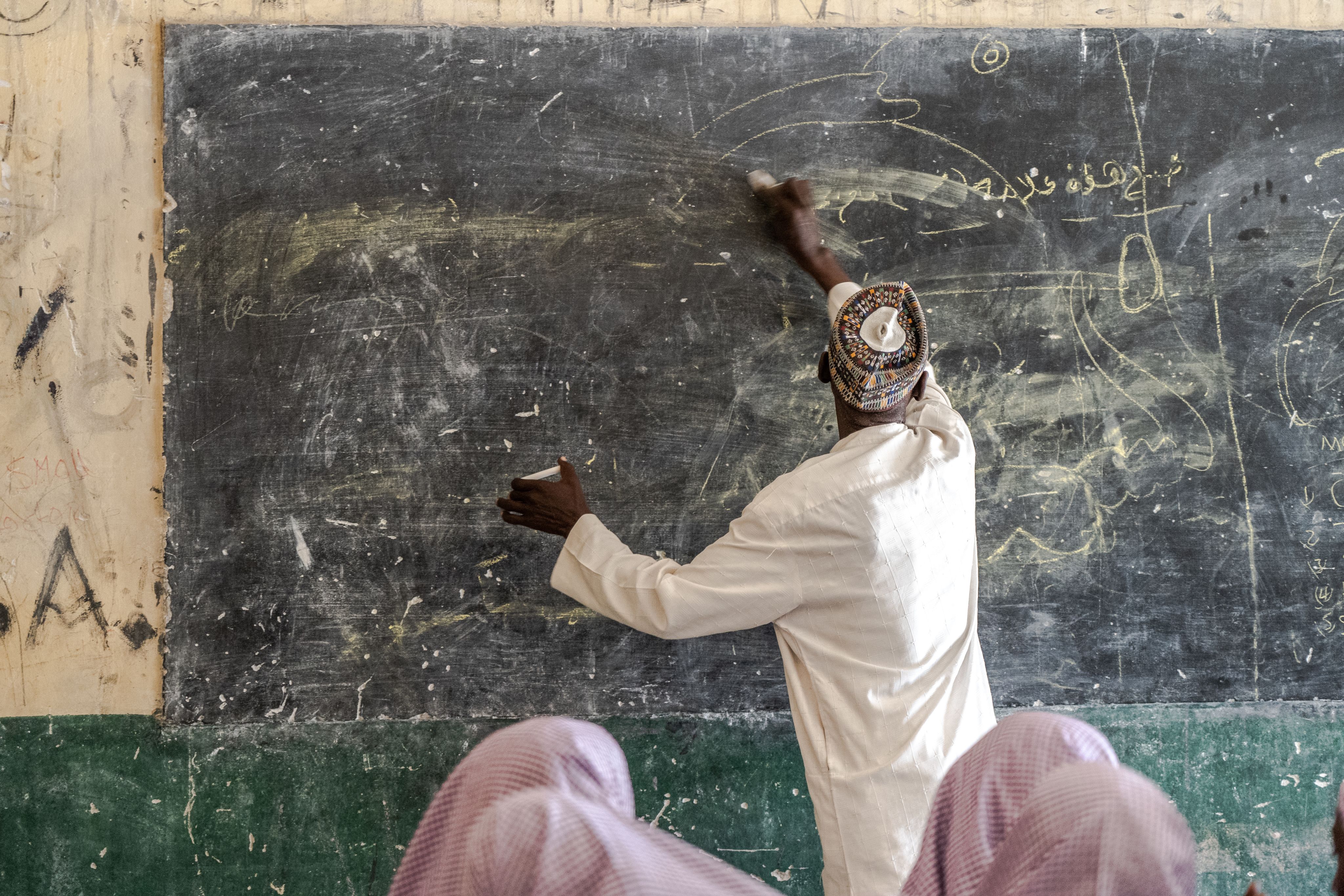
Mohamed Ali Story
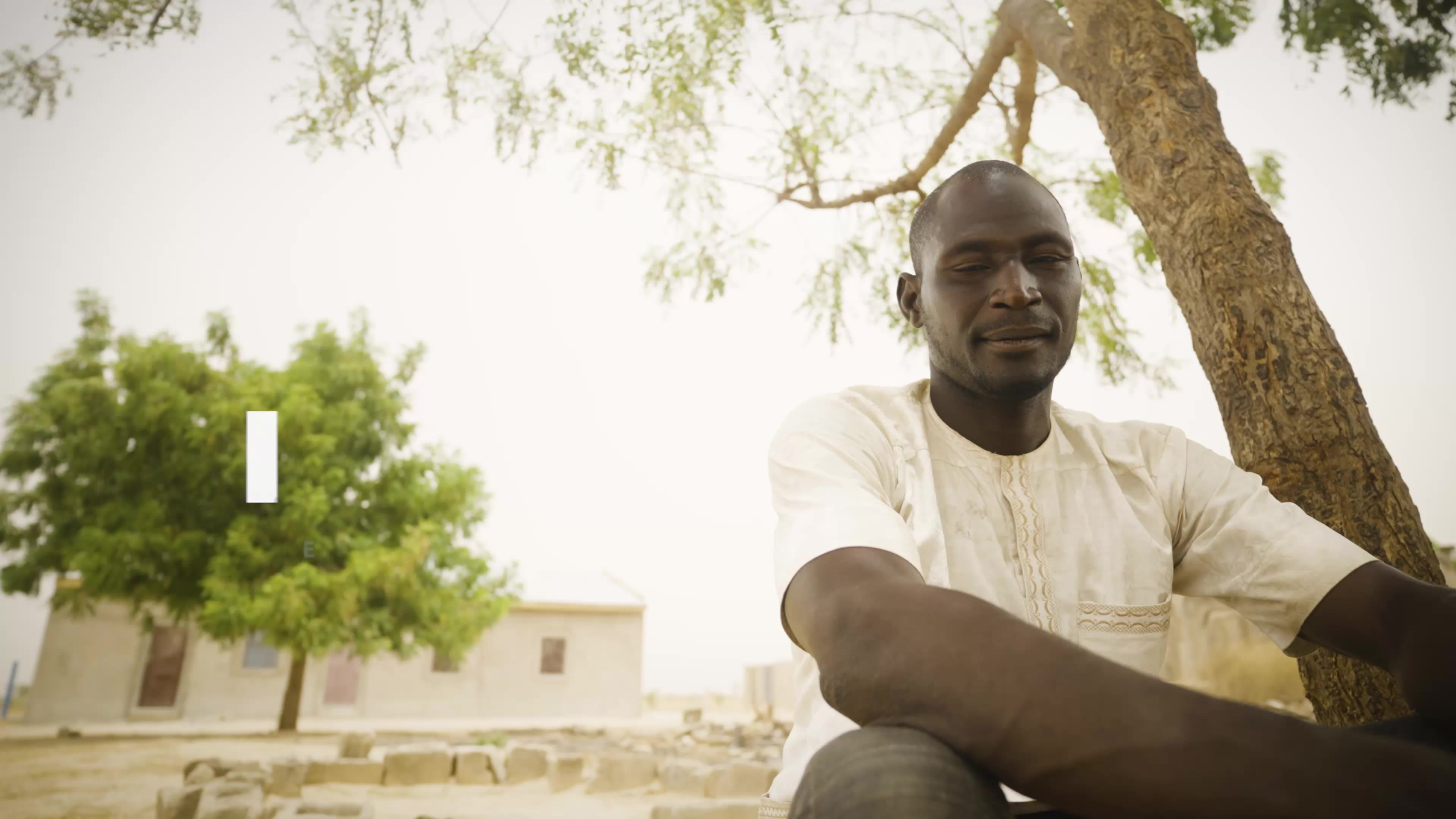
In Nigeria, Mohammed once feared being targeted by both Boko Haram and security forces. With CIVIC’s support, he found new ways to protect his community, build trust, and reduce harm.




A success story
in numbers
Supporting Families of Former Fighters
In July 2024, the Njimtilo Community Protection Committee (CPC) stepped in to help families of returning former fighters. Women were unsure of their place, and many children had never attended school.
CPC Response
- The CPC mobilized the community to provide symbolic donations—shoes, clothes, and basic necessities—to ease tensions and welcome returning families.
- They initiated culturally sensitive dialogues with mothers hesitant to enroll their children in school.
Impact
- Within weeks, 190 children (88 boys, 102 girls) were enrolled: 50 at Njimtilo Ja-Jala Primary School and 140 at Njimtilo Annex.
- CPCs continued to support children in adapting to school, fostering a sense of community and normalcy.
This transformation shows how ordinary community members can drive resilience and inclusion.

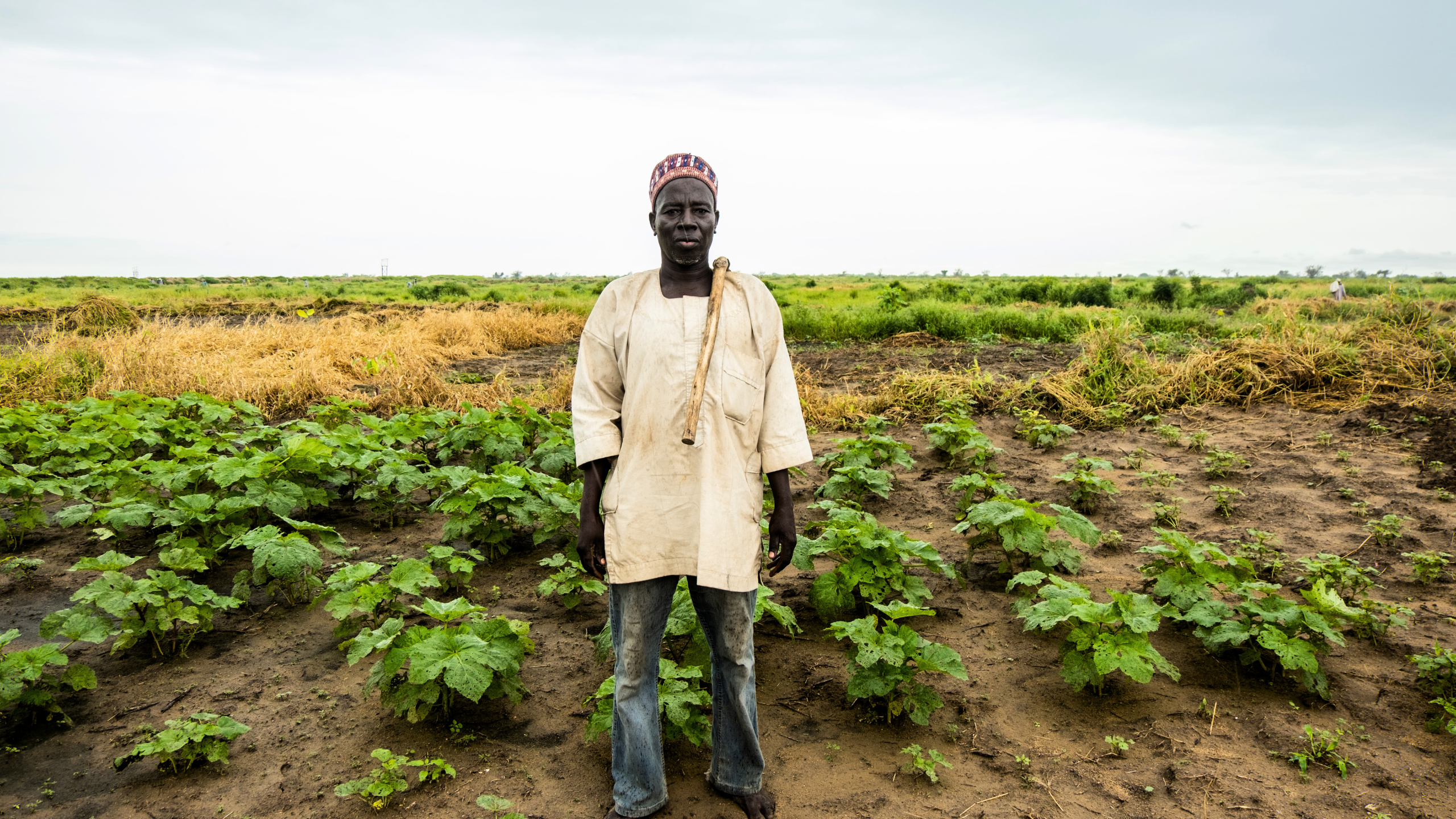

CIVIC plans to expand into northwest and northcentral Nigeria, where communities face banditry, farmer-herder conflicts, and mass displacement.
Key goals include:


Building
Trust with
Security Forces
Strengthen civil-military dialogue platforms to improve responsiveness.

Integrating
Protection
Locally
Help local leaders and CSOs include civilian safety in
all community programs.each of them to their rightful recipients.

Strengthening
Regional
Cooperation
Work with ECOWAS, the African Union, and other regional partners to address cross-border violence and displacement.

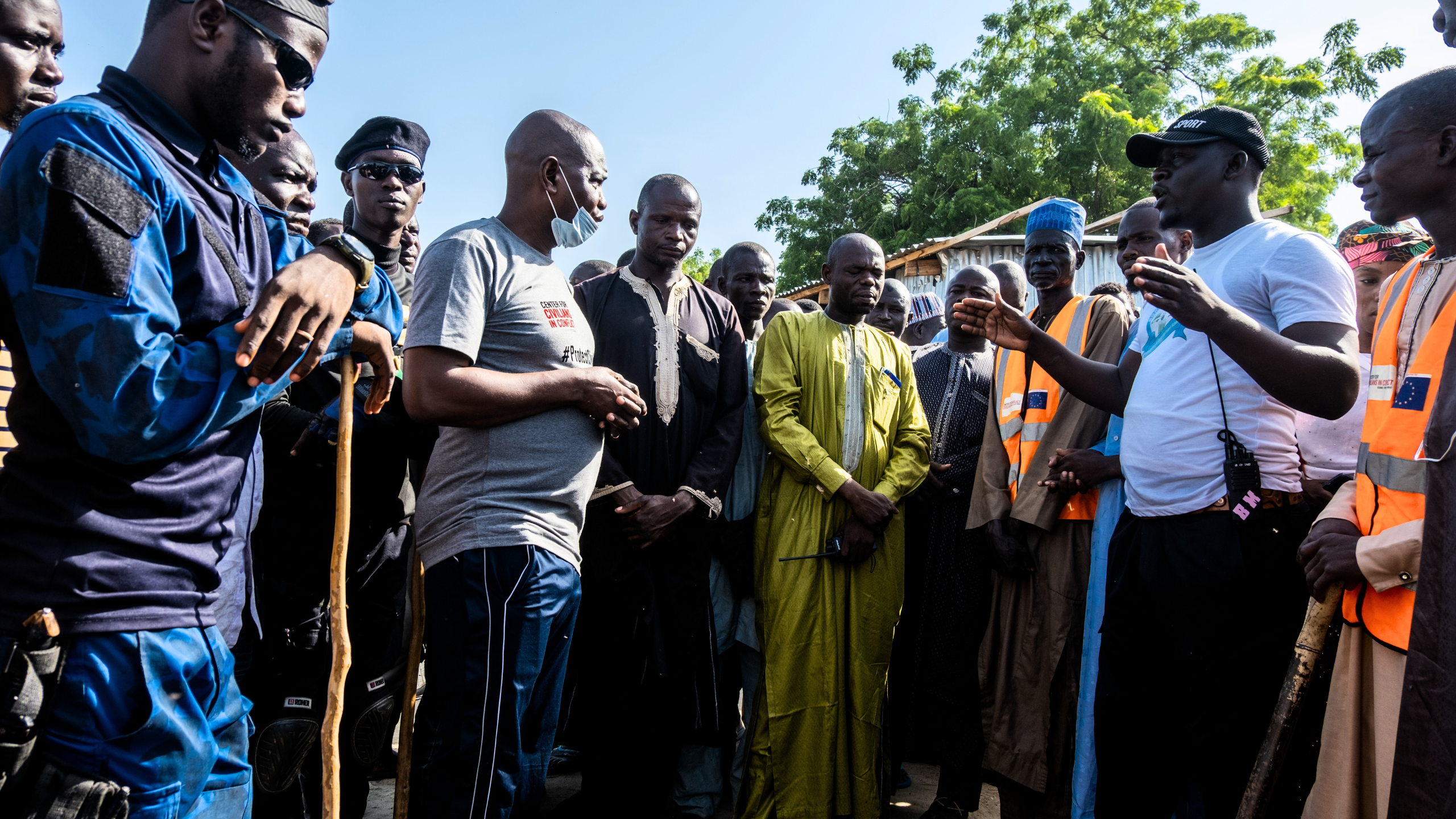

CIVIC engages with:
- Government Agencies: Federal Ministry of Defense, Nigerian Defense Security Forces, NHRC, Federal Ministry of Humanitarian Affairs, and state governments in Borno, Adamawa, and Yobe.
- Security Forces: Nigerian Armed Forces, Nigerian Police Force, Civil Defence Corps, and community security groups (CJTF, vigilantes, hunters).
- Civil Society & Communities: CPCs, local NGOs, CSOs, and traditional and religious leaders.
- International and Regional Partners: ECOWAS and African Union.
- Institutional Partners: FCDO, GIZ, EU, US State Department, Netherlands, Germany, ECOWAS, African Union.

 Built with Shorthand